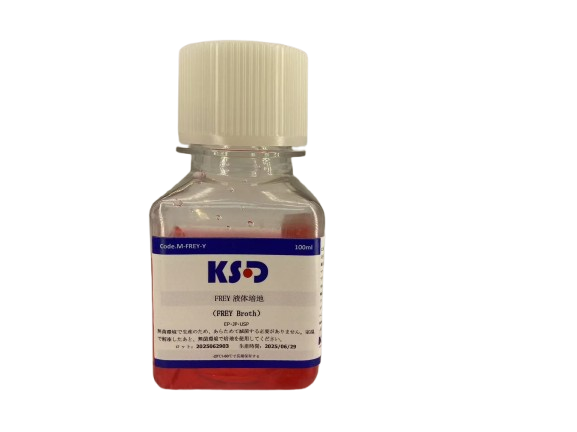
FREY agar is fortified with nicotinamide adenine dinucleotide (NAD⁺) to satisfy the fastidious growth requirements of Mycoplasma synoviae. Metabolic activity of viable mycoplasmas produces acidic by-products that trigger a phenol-red pH indicator shift from red to yellow—or, under alkaline drift, to purple—thereby providing an immediate, visual confirmation of proliferation. The inclusion of penicillin G selectively suppresses contaminating bacterial flora without impairing mycoplasma growth. In addition, the medium can be further enriched with a defined lipid supplement from yolk that supplies bioavailable cholesterol and fatty-acid precursors, markedly enhancing colony-forming efficiency—particularly for lipid-dependent strains such as M. pneumoniae ATCC 23714.
FREY Agar is recommended for the detection of avian mycoplasmas in pharmaceutical products, especially in bulk vaccines, cell banks, and virus cultures.
Unlike bacteria, mycoplasma lacks motility, so it tends to cluster in some areas while being sparse in others. For small-volume samples, thorough mixing (pipetting/blowing) is essential. For larger sample sources, take multiple site samples to ensure representation.
Serum not only contains BSA (which provides protection and buffering) but also lipids, growth factors, and trace enzymes that benefit mycoplasma growth.
Experiments show that using BSA or DMEM instead of serum leads to ≥60% lower CFU counts in even M. pneumoniae. DMEM may even cause growth arrest. Therefore, if using BSA as a substitute, you must also supplement with the missing nutrients.
The smaller the dilution, the faster the growth—but also the faster pH may reach critical levels, leading to mycoplasma death. The 1:10 ratio is a lab-standard SOP for easy dilution and safe buffering.
However, it can be adjusted based on lab needs. Be cautious: lower dilution (higher concentration) can be risky. If the sample contains inhibitory agents (e.g., antibiotics or EDTA), a larger volume of medium should be used to dilute out these factors.
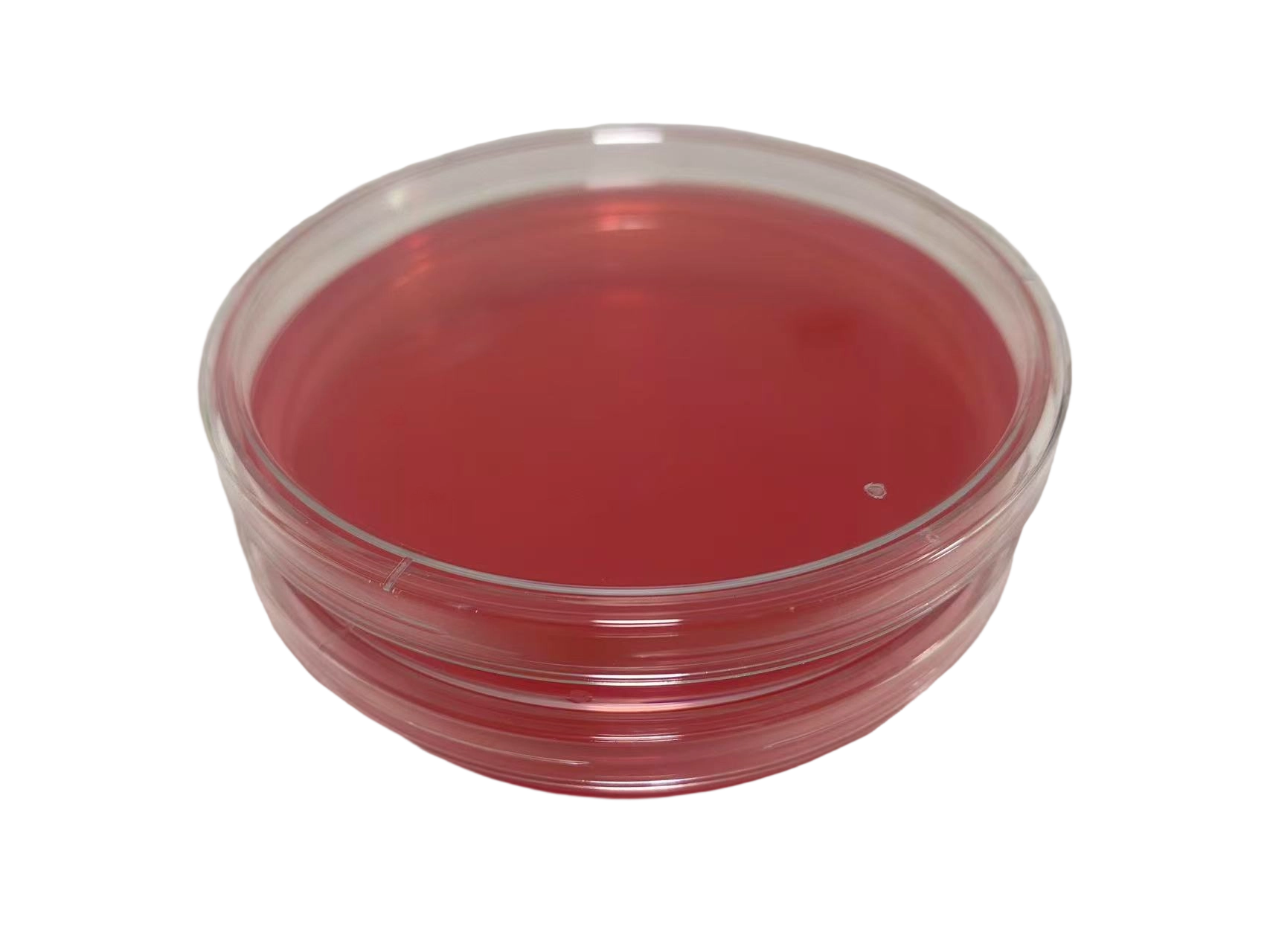
suitable for microbiology, plate diam. 60 mm, For general mycoplasma detection, pack of 10 plates,box of 10 packs
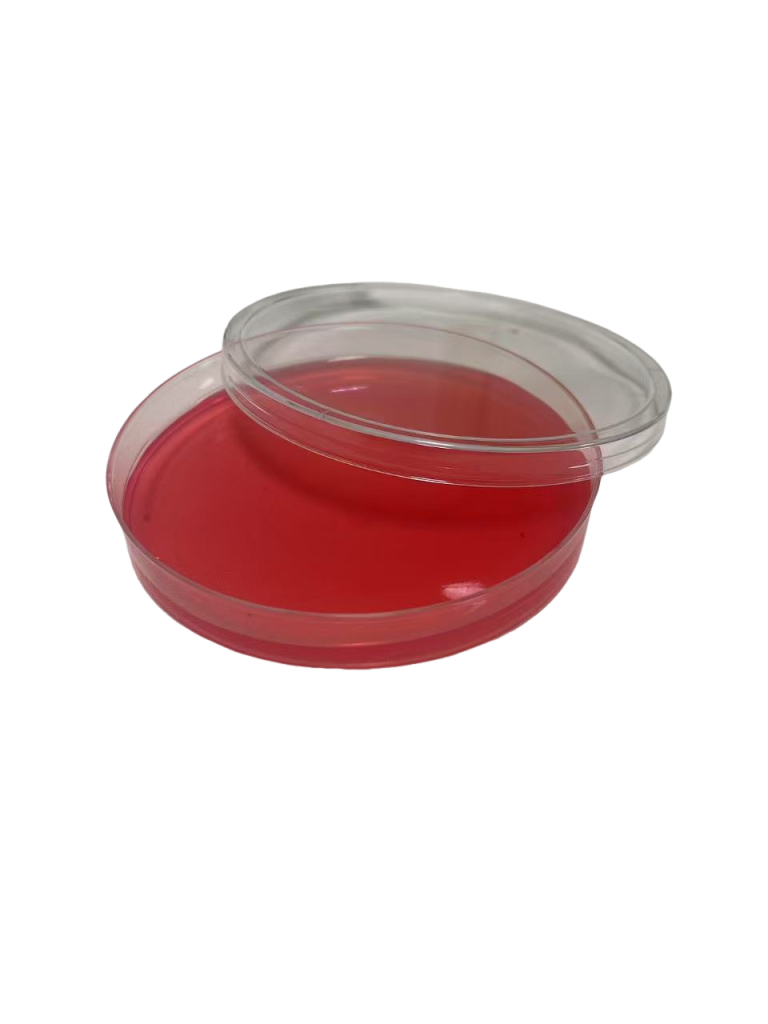
suitable for microbiology, plate diam. 60 mm, For general mycoplasma detection, pack of 10 plates,box of 10 packs
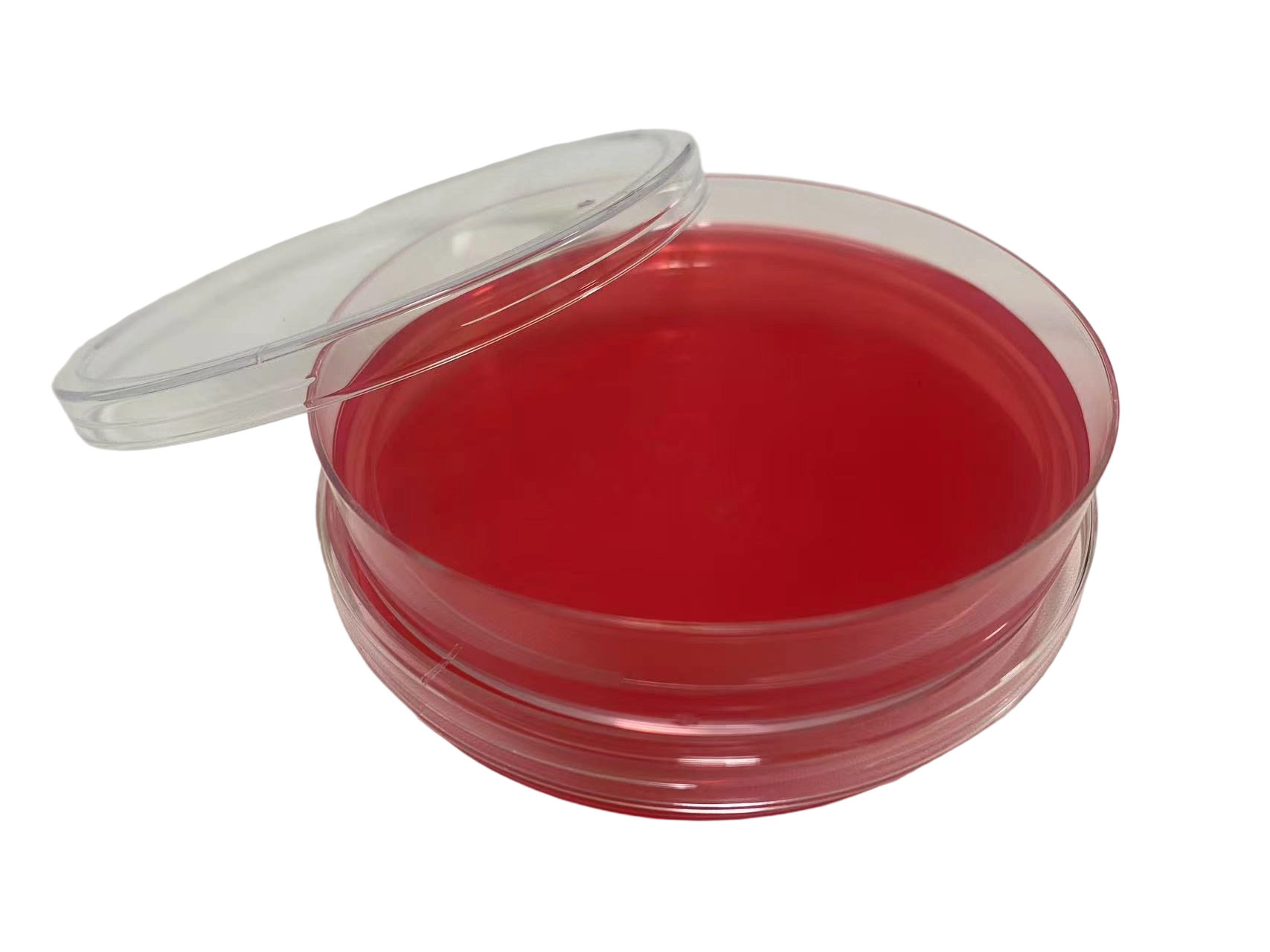
suitable for microbiology, plate diam. 60 mm, For general mycoplasma detection, pack of 10 plates,box of 10 packs
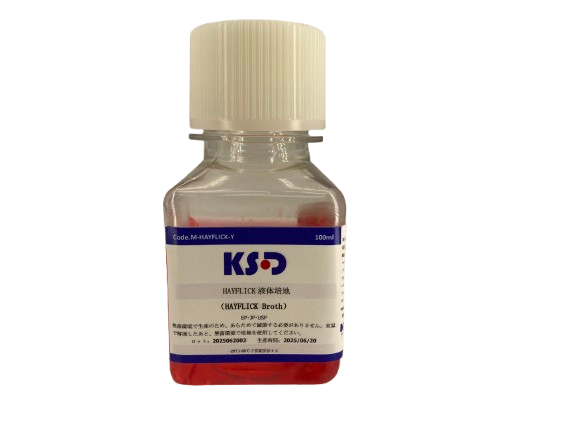
suitable for bioburden testing, For mycoplasma detectionsuitable for bioburden testing, For mycoplasma detectionsuitable for bioburden testing, For mycoplasma detectionsuitable for bioburden testing, For mycoplasma detectionsuitable for bioburden testing, For mycoplasma detectionsuitable for bioburden testing, For mycoplasma detectionsuitable for bioburden testing, For mycoplasma detectionsuitable for bioburden testing, For mycoplasma detection
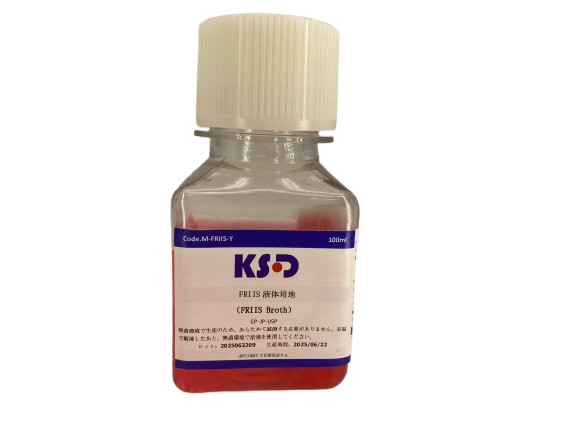
suitable for bioburden testing, For mycoplasma detection
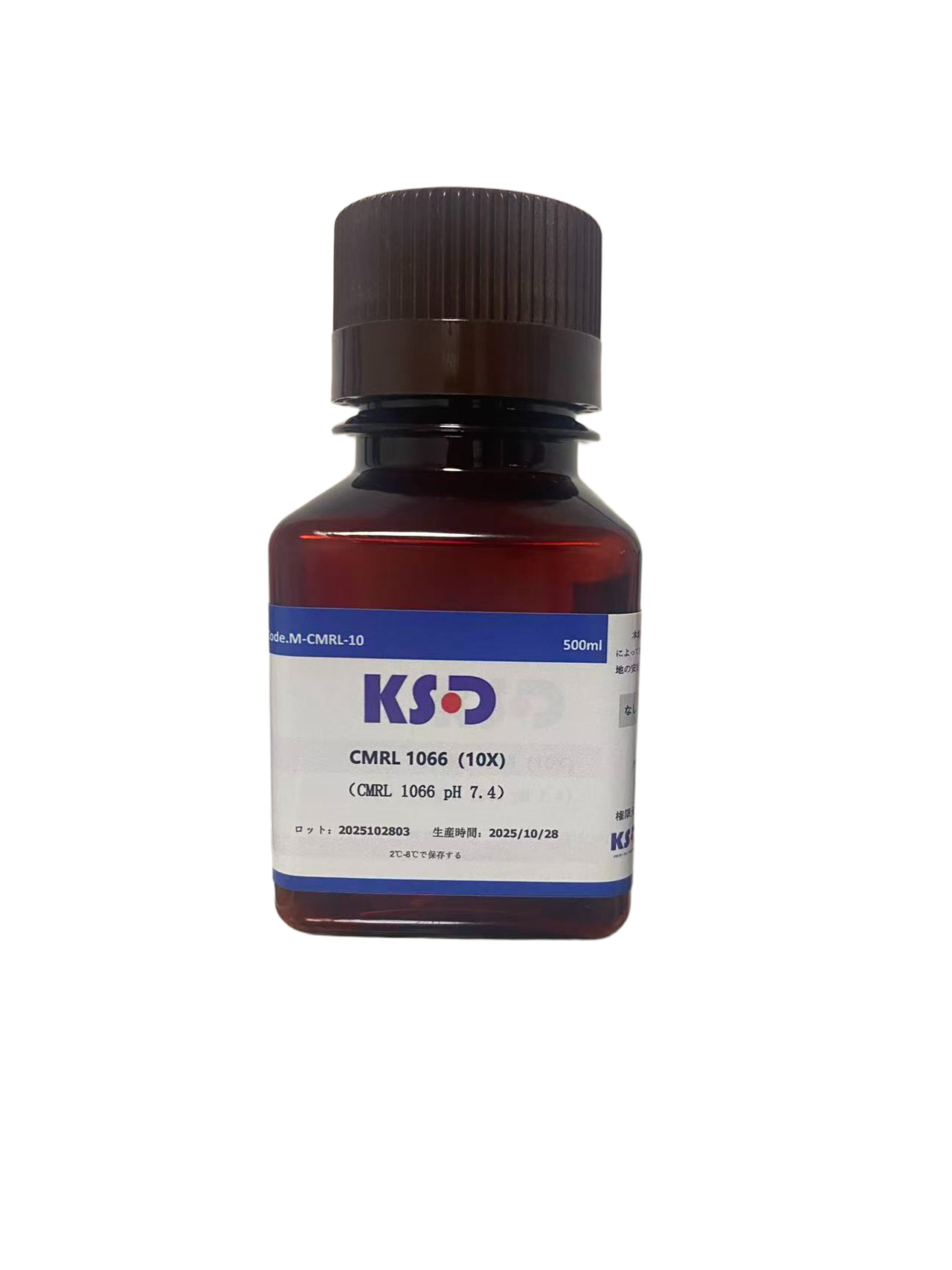
An additive suitable for cell and mycoplasma culture, at a concentration 10 times higher than the conventional concentration.
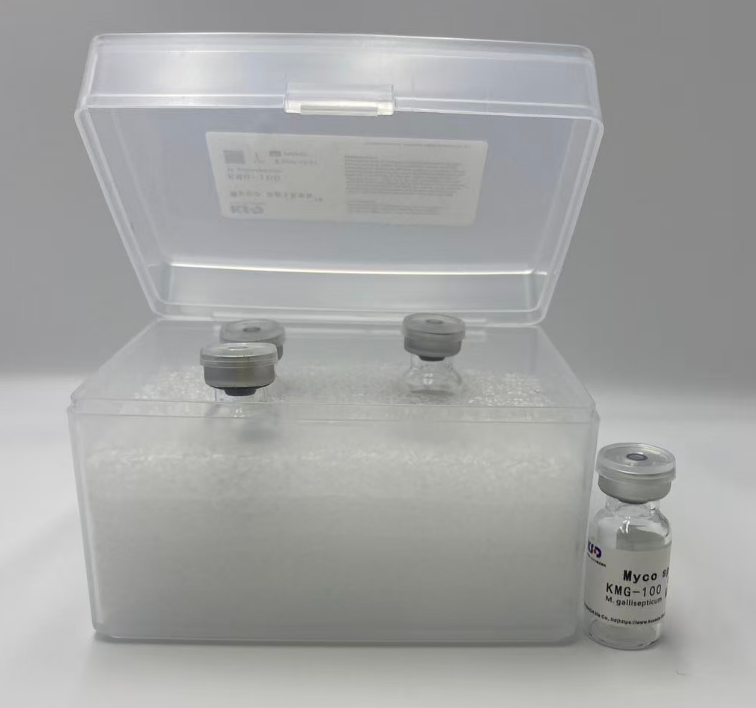
Mycoplasma gallisepticum
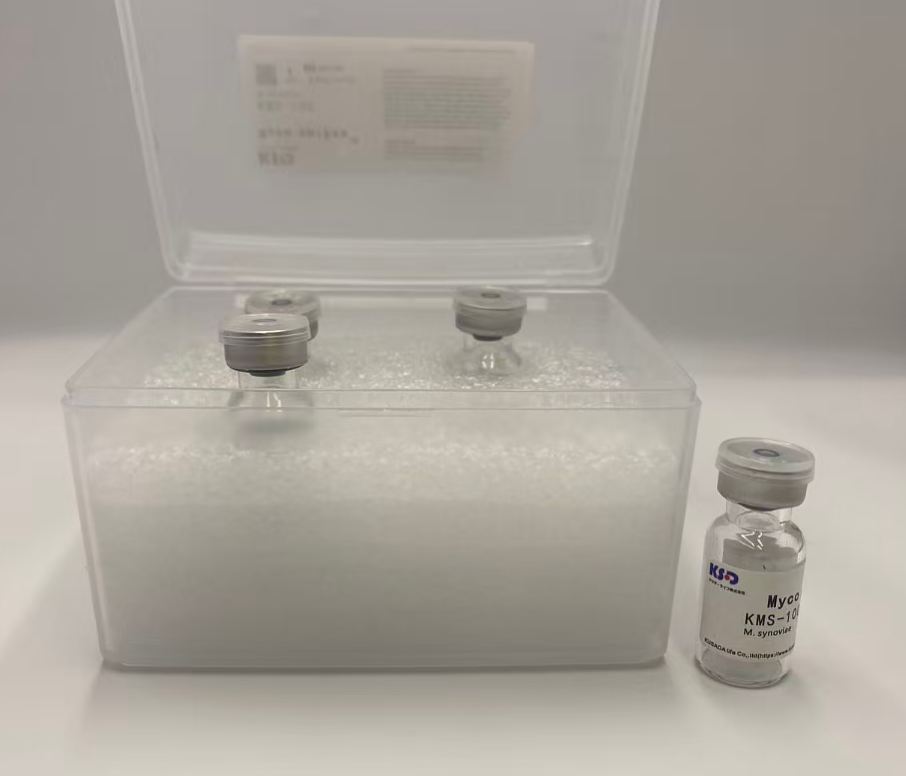
Mycoplasma salivarium