
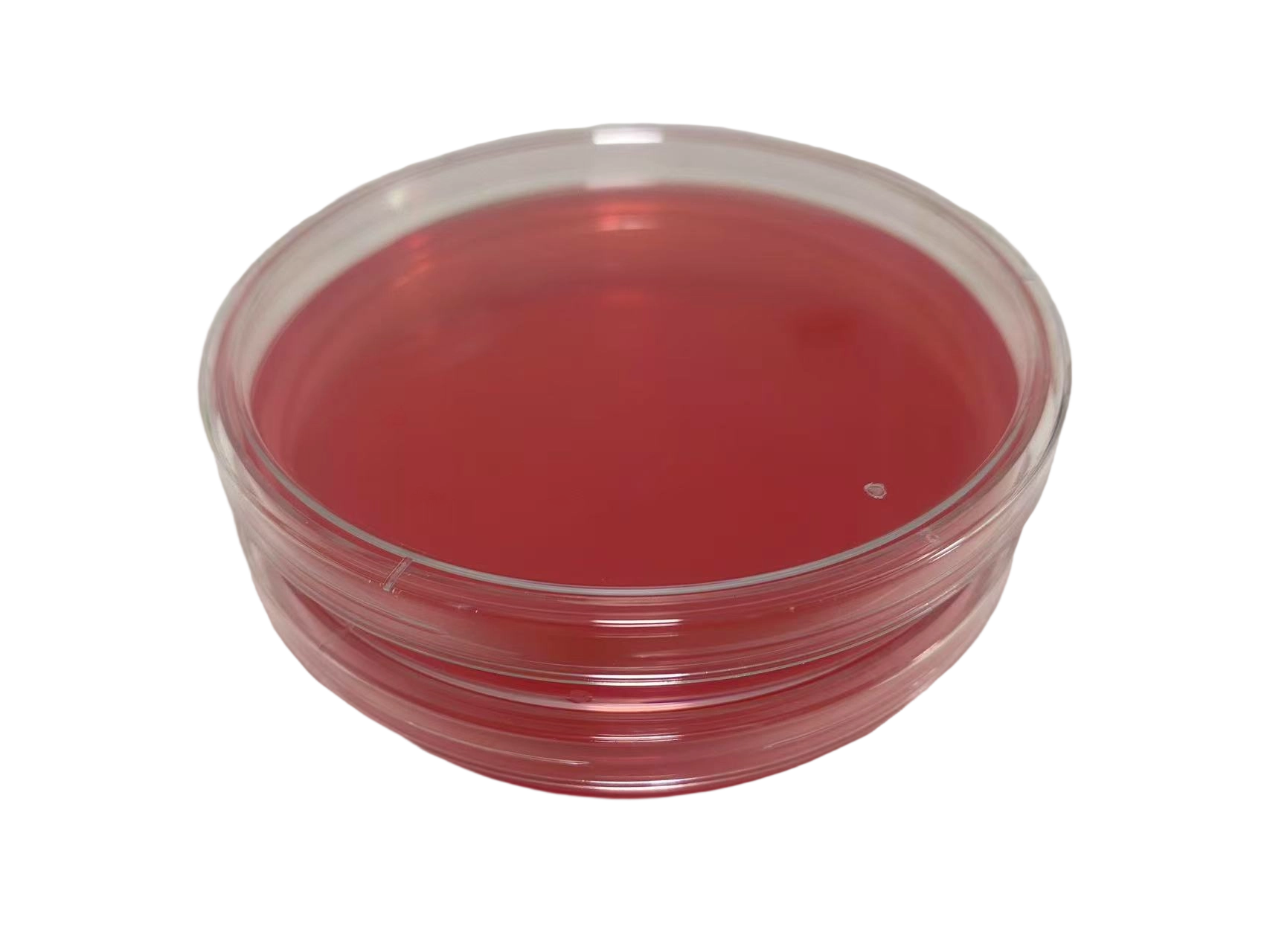
DESCRIPTION
HAYFLICK agar is a specialized, nutrient-enriched solid medium formulated to support the growth of fastidious mycoplasmal species. The medium is supplemented with horse serum, which provides essential lipids, including cholesterol and long-chain fatty acids, required for membrane synthesis and cellular proliferation.
To fulfill nucleic acid precursor requirements, exogenous deoxyribonucleic acid (DNA) is incorporated as a source of purine and pyrimidine bases, compensating for the de novo biosynthetic deficiencies inherent to Mycoplasma spp. Metabolic activity of viable mycoplasmas leads to acid–base shifts within the medium, which are detected via a phenol red pH indicator, resulting in a visible color change from red to yellow or purple—indicating active growth.
The inclusion of penicillin G suppresses the growth of background bacterial flora while maintaining selective support for mycoplasmas. Furthermore, targeted lipid from egg supplementation significantly enhances colony-forming efficiency, particularly in lipid-dependent strains such as Mycoplasma pneumoniae ATCC 23714, by promoting robust membrane biogenesis and nutrient uptake.
HAYFLICK Agar is recommended for the general detection of mycoplasmas in pharmaceutical products, especially in bulk vaccines, cell banks, and virus cultures.
Oral mycoplasmas are generally one of the most difficult types to culture. They require an environment where they can adhere to surfaces and have higher nutritional requirements, particularly for lipids and phospholipids. Additionally, the strain or pH of the medium can cause cell death during culture. For example, if the CFU in the sample is very low or the mycoplasma is poorly viable, the pH of the medium may continuously drop due to nutrient breakdown in the incubator, eventually falling outside the optimal range for oral mycoplasma growth, resulting in complete death. Therefore, selecting proper storage conditions and an appropriate culture medium formulation is essential.
Color changes in liquid media can occur due to several reasons:
Temperature increases may alter ionization levels, shifting pH (within 24 hours);
Nutrient decomposition (e.g., sugar fermentation producing acid, amino acid catabolism producing alkali) alters pH over 1–7 days;
Metabolic by-products of microorganisms can be acidic or alkaline.
Since bacteria and fungi can also cause color changes, a color shift alone cannot confirm mycoplasma growth—it should only be used as a supporting indicator.
Like bacteria, mycoplasma can be stored long-term via lyophilization or short-term by adding 20% sterile glycerol to cultured media for cold storage. Unlike bacteria, it's critical that the pH of the medium does not approach the mycoplasma’s survival limit before freezing. Also, avoid -40°C; use -20°C or -80°C instead, as -40°C may weaken or kill the cells.
ATCC lyophilized strains often contain preservatives that inhibit growth, so they should be diluted before culturing. However, passaged or glycerol-preserved strains can be cultured directly.
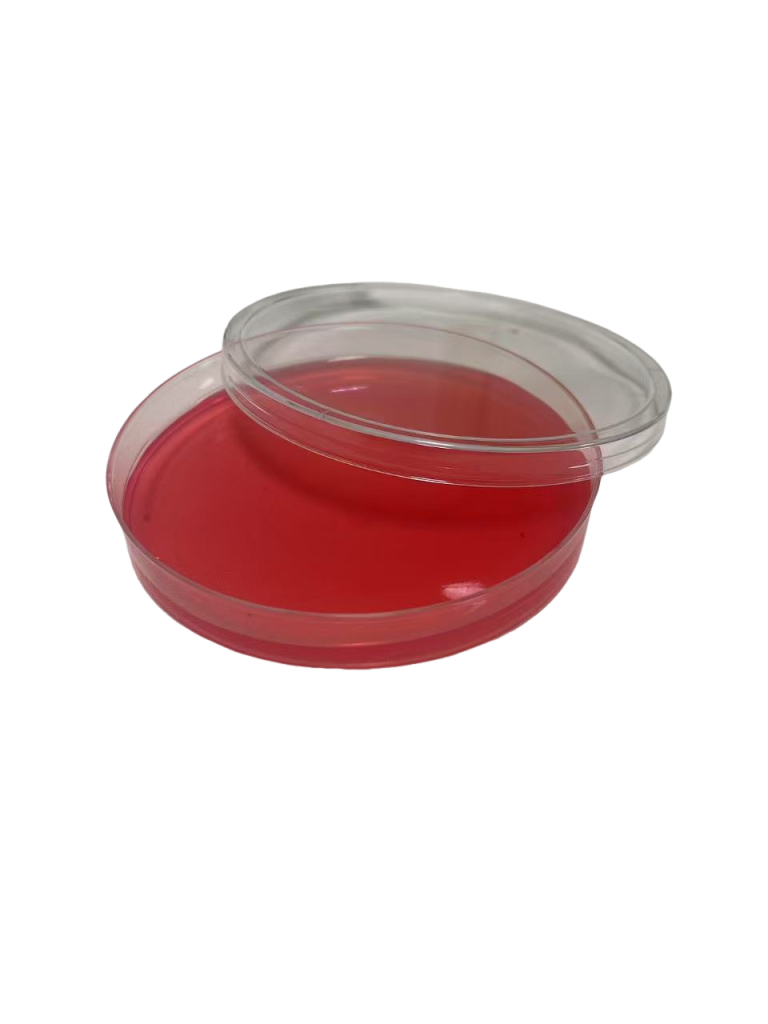
suitable for microbiology, plate diam. 60 mm, For general mycoplasma detection, pack of 10 plates,box of 10 packs
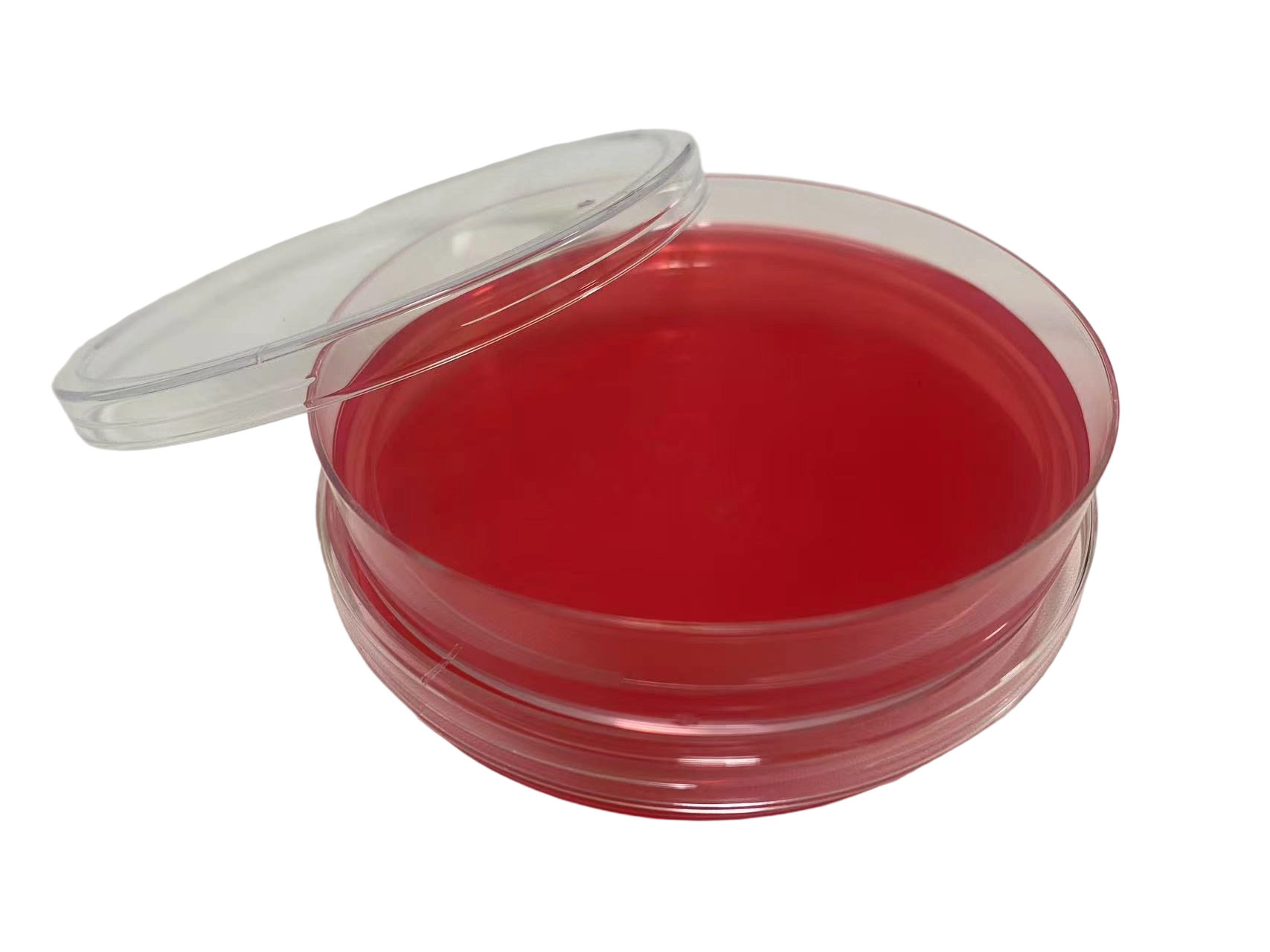
suitable for microbiology, plate diam. 60 mm, For general mycoplasma detection, pack of 10 plates,box of 10 packs
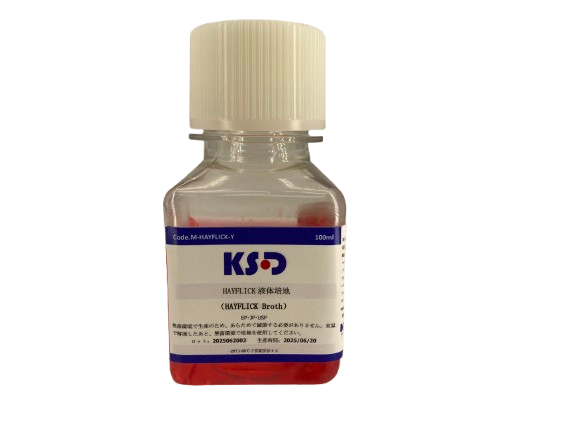
suitable for bioburden testing, For mycoplasma detectionsuitable for bioburden testing, For mycoplasma detectionsuitable for bioburden testing, For mycoplasma detectionsuitable for bioburden testing, For mycoplasma detectionsuitable for bioburden testing, For mycoplasma detectionsuitable for bioburden testing, For mycoplasma detectionsuitable for bioburden testing, For mycoplasma detectionsuitable for bioburden testing, For mycoplasma detection
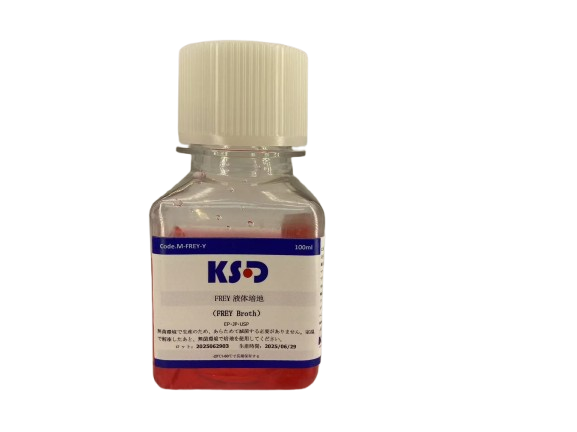
suitable for bioburden testing, For mycoplasma detection
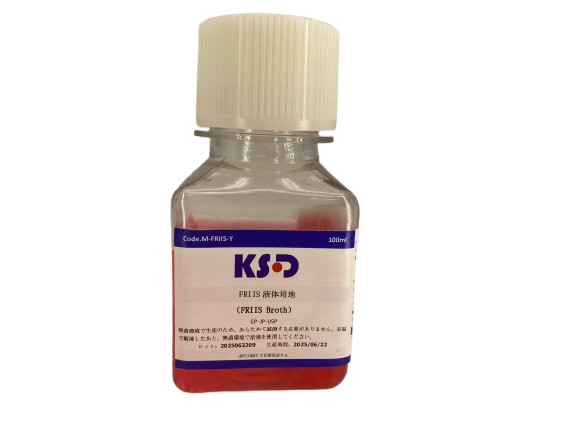
suitable for bioburden testing, For mycoplasma detection
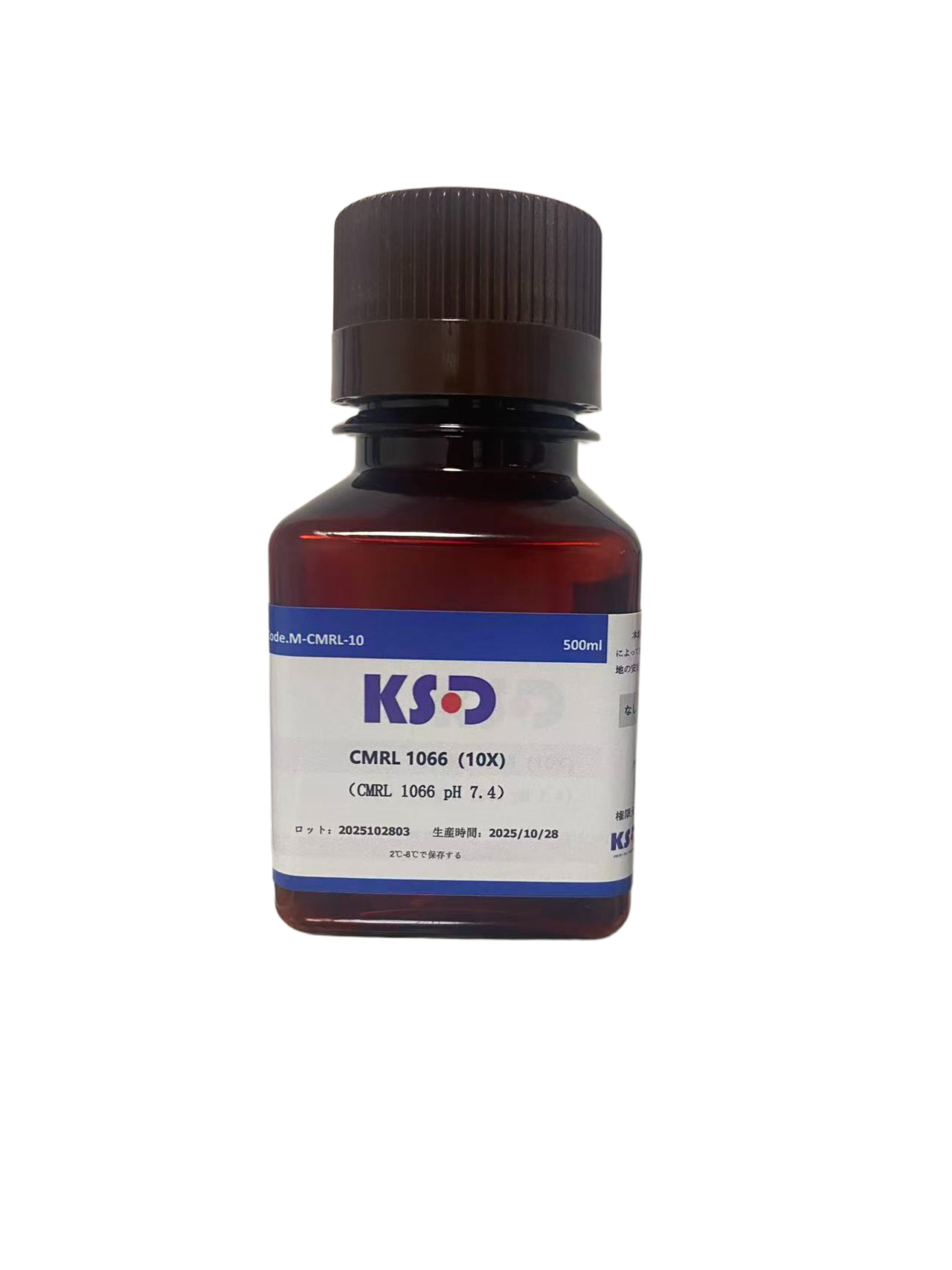
An additive suitable for cell and mycoplasma culture, at a concentration 10 times higher than the conventional concentration.
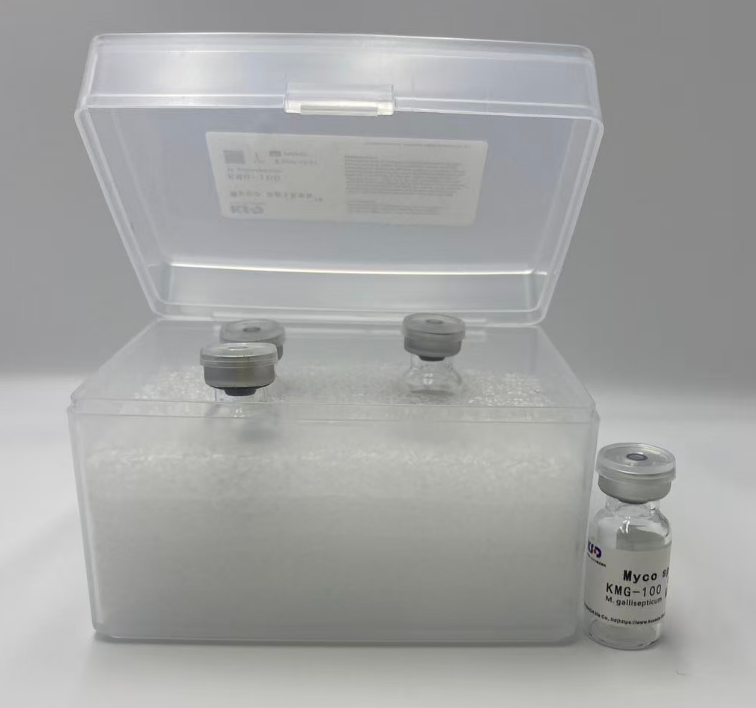
Mycoplasma gallisepticum
Mycoplasma salivarium