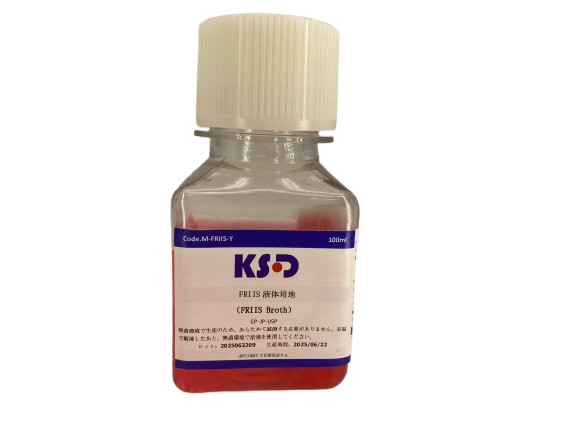
FRIIS Liquid Medium is specifically formulated for the qualitative detection of avian-derived mycoplasmas in pharmaceutical testing matrices, including bulk vaccine intermediates, master and working cell banks, and viral culture systems.
The basal composition of the medium is supplemented with nicotinamide adenine dinucleotide (NAD⁺) to meet the essential growth requirements of fastidious species such as Mycoplasma synoviae.
The presence of mycoplasmas in test samples is indicated by a distinct colorimetric shift resulting from metabolic activity acting on the incorporated phenol red indicator.
To suppress background flora, selective antibiotics are incorporated into the formulation.
Furthermore, the inclusion of exogenous lipid components from yolk significantly enhances the growth yield and colony-forming potential of lipid-requiring strains—most notably M. pneumoniae ATCC 23714—by providing bioavailable cholesterol and fatty acids required for membrane biosynthesis and metabolic function.
FRIIS liquid Medium is designed for the detection of avian mycoplasmas in test samples of pharmaceutical industry especially in bulk vaccines, cell banks and viral cultures.
Microscopy is the gold standard. At low magnification (4× objective, 10× eyepiece), all mycoplasmas look similar. At higher magnification (~100× objective), morphological differences emerge:
M. pneumoniae appears as tight clusters,
M. hyorhinis has dispersed, filamentous cytoplasm,
M. orale looks like rounded clusters of small cells.
CO₂ does stimulate growth for some strains, but not all. For example, M. pneumoniae grows well with or without CO₂, while oral strains show stronger dependency. The need can often be predicted based on the natural environment of the strain. However, using CO₂ incubation universally is a safe standard.
Excessive antibiotic use, bacterial metabolites (e.g., proteases, nucleases), and serum enzymes can all inhibit mycoplasma growth—causing false negatives in testing. This may compromise pharmaceutical quality and scientific results. Inhibition factor testing helps detect such issues.
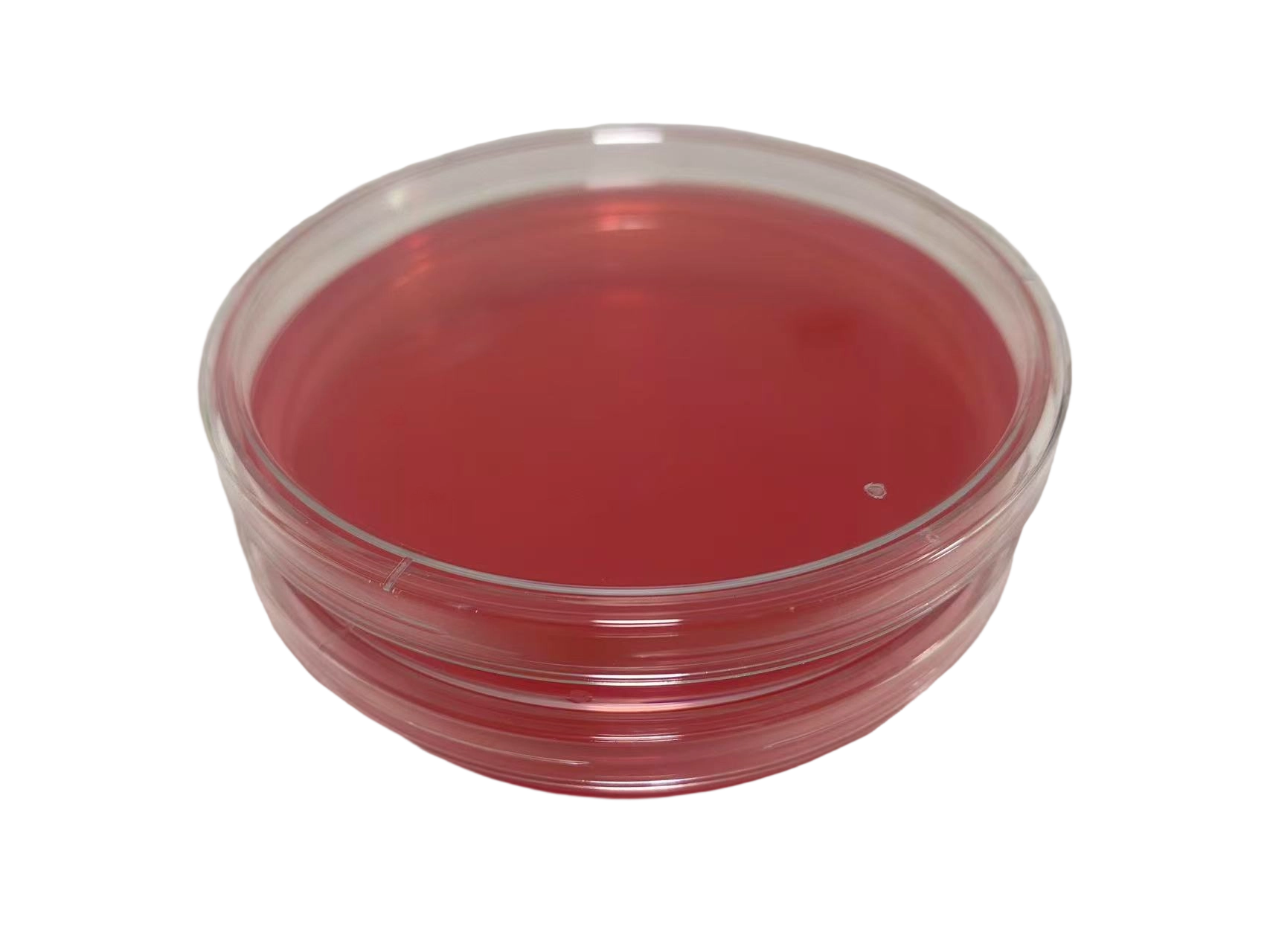
suitable for microbiology, plate diam. 60 mm, For general mycoplasma detection, pack of 10 plates,box of 10 packs
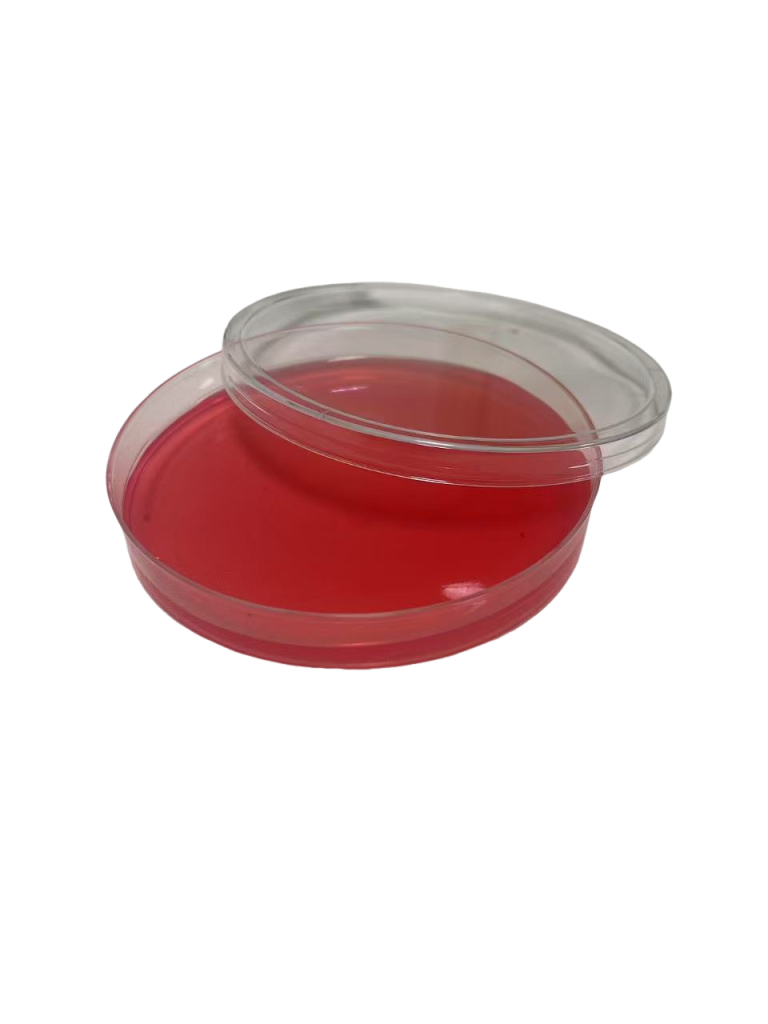
suitable for microbiology, plate diam. 60 mm, For general mycoplasma detection, pack of 10 plates,box of 10 packs
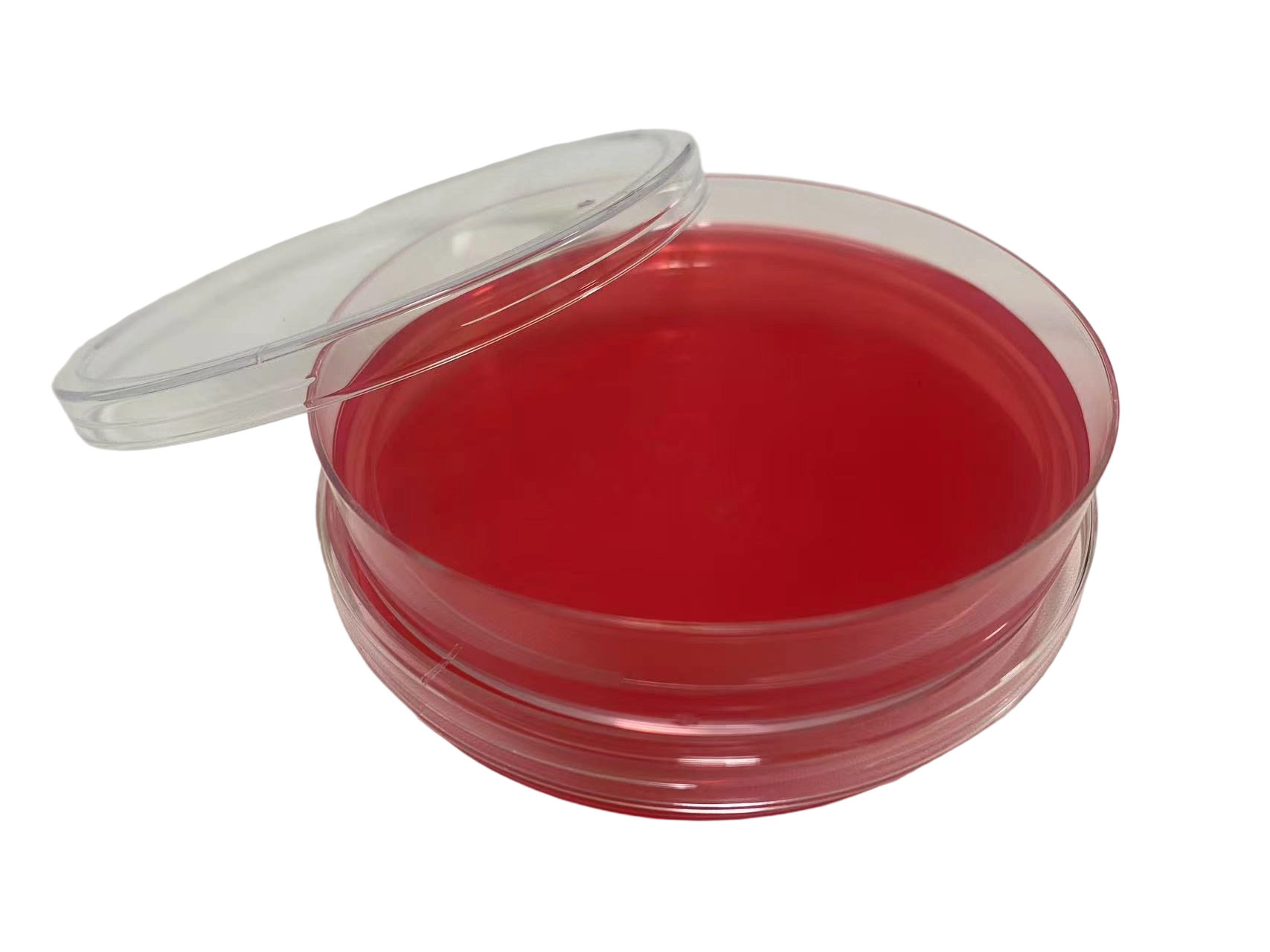
suitable for microbiology, plate diam. 60 mm, For general mycoplasma detection, pack of 10 plates,box of 10 packs
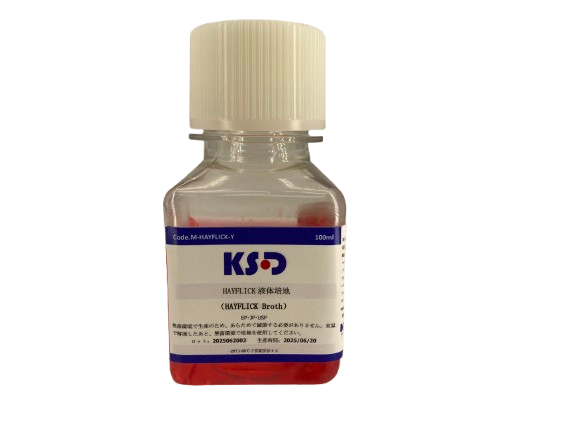
suitable for bioburden testing, For mycoplasma detectionsuitable for bioburden testing, For mycoplasma detectionsuitable for bioburden testing, For mycoplasma detectionsuitable for bioburden testing, For mycoplasma detectionsuitable for bioburden testing, For mycoplasma detectionsuitable for bioburden testing, For mycoplasma detectionsuitable for bioburden testing, For mycoplasma detectionsuitable for bioburden testing, For mycoplasma detection
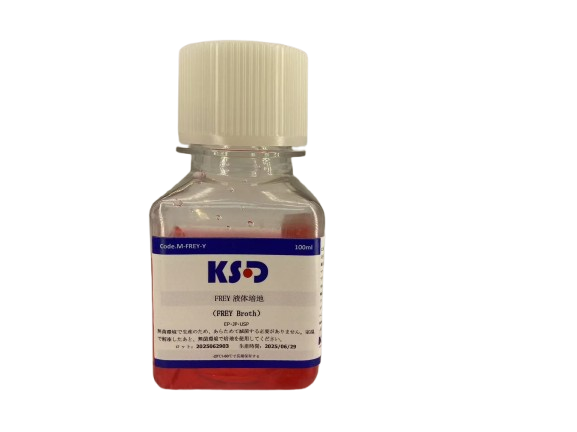
suitable for bioburden testing, For mycoplasma detection
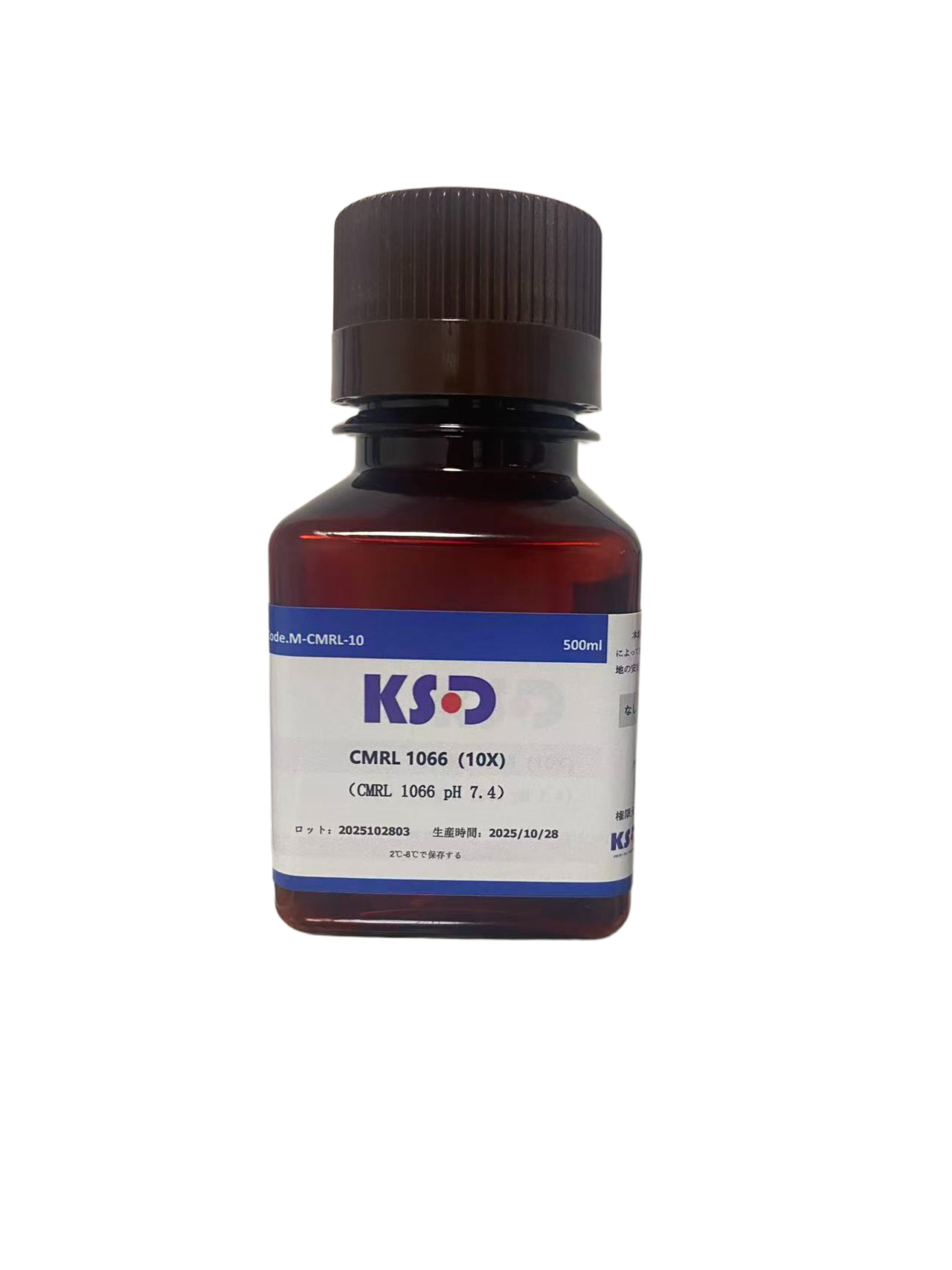
An additive suitable for cell and mycoplasma culture, at a concentration 10 times higher than the conventional concentration.
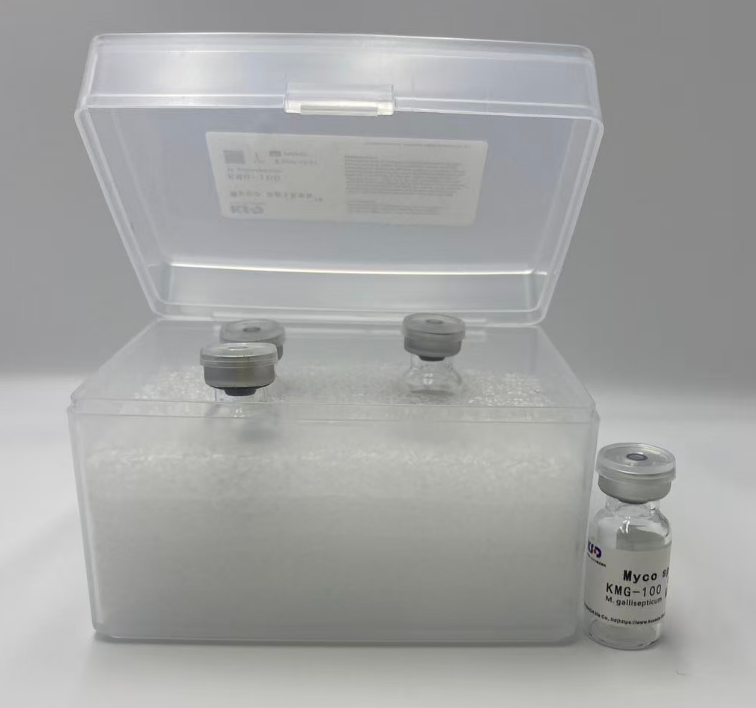
Mycoplasma gallisepticum
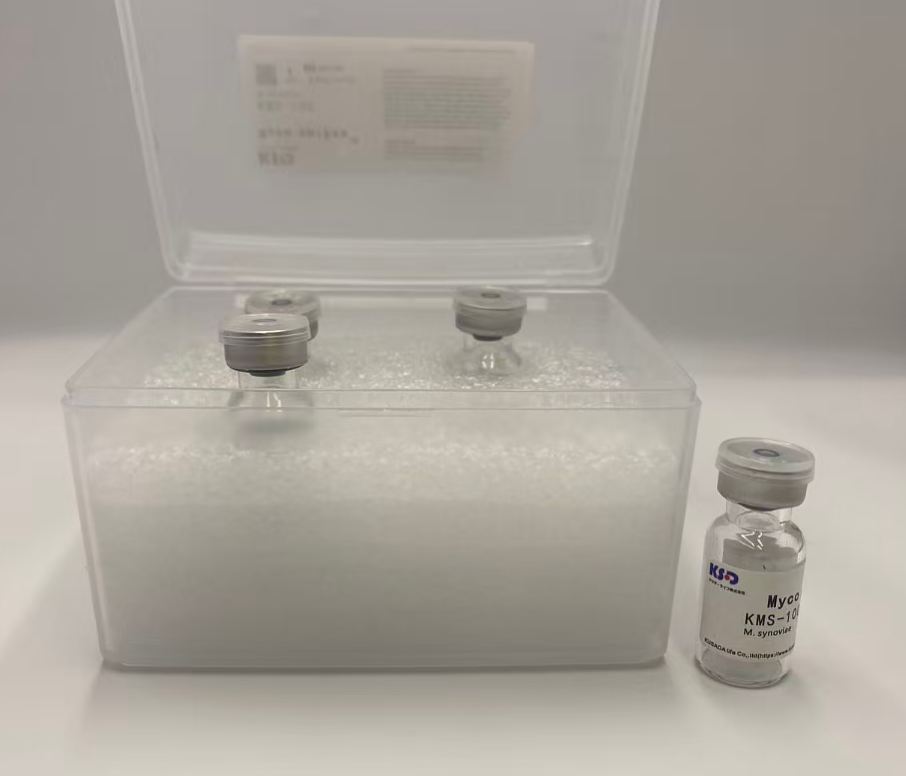
Mycoplasma salivarium